
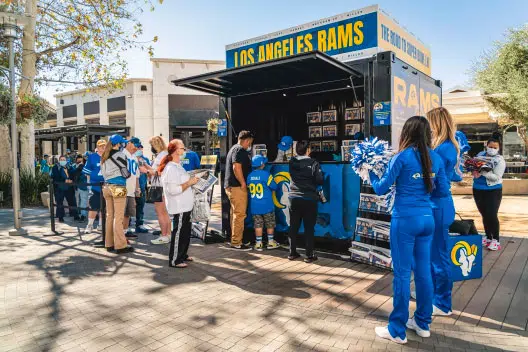
Choosing the right agency for events requires looking far beyond the basic logistics of booking a venue or ordering catering. A truly successful activation starts months before the first attendee walks through the doors. It begins with a deep, strategic foundation. You have to understand exactly what the experience needs to accomplish, who will be in the room, and how every single touchpoint will drive measurable business outcomes. Brands often rush straight to the creative concepts, but skipping the foundational strategy leaves money on the table. A strong partner forces you to pause, ask the hard questions, and build a framework that guarantees real return on investment.
Moving Beyond Production: The Strategic Role of an Event Marketing Company
Many brands mistake experiential campaigns for simple production exercises. They focus entirely on the lighting plots, the staging dimensions, and the logistical flow of the crowd. However, a true event marketing company aligns live experiences with your overarching business objectives to create a lasting, measurable impact. The best partners focus on the underlying purpose before they ever sketch out a floor plan. They guarantee every activation serves a highly specific strategic goal rather than simply filling an empty slot on the quarterly marketing calendar. When you treat an activation as a strategic business tool, you stop throwing parties and start building powerful consumer connections that actually drive revenue and loyalty for your brand.
Step 1: Decide What the Event Should Accomplish
Before you select a format, lock in a venue, or brainstorm a flashy creative concept, you must define the primary purpose of the gathering. This foundational goal shapes the creative brief, dictates the budget allocation, and establishes the success metrics for the entire project. Without a crystal-clear objective, it becomes nearly impossible to justify the financial investment or accurately measure the return on your efforts. You need to know exactly what a win looks like. Are you trying to capture emails, change brand perception, or put a physical product directly into the hands of a new demographic? Nailing down this objective gives your entire team a North Star to follow throughout the planning process.
- Driving brand awareness and maximizing visibility in a completely new regional market.
- Accelerating lead generation and pushing high-value prospects through your sales pipeline.
- Running product trials and encouraging hands-on customer engagement with new releases.
- Building long-term customer loyalty and growing a dedicated community around your core products.
- Strengthening important relationships with key B2B partners, investors, and internal stakeholders.
Step 2: Define Exactly Who the Event Is For
Audience clarity matters significantly more than a trendy concept when you are planning a live experience. You need to identify the exact attendee profile, specific customer segment, or targeted B2B partner group to guarantee your core message actually resonates. Understanding audience behavior, daily habits, and personal preferences dictates the location, the timing, and the specific call-to-action required for maximum engagement. If you are targeting busy executives, a multi-day festival will likely fail. If you want to reach Gen Z consumers, a stuffy ballroom seminar will fall flat. You have to build the environment around the people you want to reach, making certain every detail feels custom-made for their specific needs and expectations.
Step 3: Determine What Interaction Will Earn Attention
In a highly crowded market, you must determine what kind of interaction will earn genuine, undivided attention from your target audience. This involves selecting interaction models that connect the chosen experience directly to your brand story and the core motivations of your attendees. The right interaction turns passive observers into highly active participants. People no longer want to be talked at; they want to be involved. You have to design moments that invite them to play, explore, and share. Whether that means a high-energy physical challenge or a quiet, personalized consultation, the interaction must feel authentic to your brand identity.
- Hands-on product demonstrations and guided sampling sessions that let consumers feel the quality firsthand.
- Gamification elements and interactive challenges that spark friendly competition and keep attendees engaged longer.
- Highly shareable photo moments designed specifically for organic social media amplification and user-generated content.
- Exclusive VIP access areas and private networking opportunities that make high-tier guests feel valued.
- Immersive brand storytelling environments that transport attendees into the heart of your company narrative.
Step 4: Establish How Success Will Be Measured
Defining your success metrics long before the doors open is absolutely necessary for proving value and improving your future campaigns. Key performance indicators like average dwell time, total qualified leads, digital content capture, and post-event sales conversions should be tracked from day one. A highly strategic partner builds data capture naturally into the event flow to guarantee accurate reporting without disrupting the guest experience. Instead of forcing attendees to fill out long forms on clipboards, you can use RFID wristbands, interactive digital kiosks, or gamified check-ins to gather valuable data effortlessly. This approach gives you the hard numbers you need to prove ROI to your leadership team. Explore our event technology services.
Evaluating Event Marketing Services for Your Brand
Choosing the right partner requires evaluating their strategic capabilities right alongside their operational strengths. You need a team that offers full-scale experiential marketing services, effectively bridging the gap between massive creative ideas and strict operational accountability. Southport Marketing provides the strategic clarity and flawless on-site execution that modern brands need to succeed. We handle the complex logistics of fabrication and staffing while keeping a firm grip on your high-level business goals. From the initial brainstorming sessions to the final post-show reporting, we make certain every dollar spent works hard to build your brand and engage your target audience.
Frequently Asked Questions
What does an agency for events actually help with?
An agency for events helps define the core purpose, the target audience, the interaction model, and the measurement plan for your live activations. For Southport Marketing, that means helping brands decide exactly what the gathering should accomplish, who needs to be in the room, and what kind of specific action the experience should drive. We take the guesswork out of the planning process.
How do I choose the right event marketing services for my brand?
Start by matching the available services directly to your business goals. If your primary goal is brand awareness, you need audience-first creative direction and strong interactive elements. If the goal is lead generation, you need a clear data capture plan and a solid follow-up process. The right partner connects high-level strategy, thoughtful experience design, and precise measurement.
What should an event marketing company measure after an event?
An event marketing company should measure tangible outcomes tied directly to the original goal, including total attendance, qualified leads generated, average engagement time, content capture, social media sharing, and post-event sales conversions. The entire measurement plan should be set long before the activation begins so success is defined clearly and tracked accurately from the start.
How is an experiential event agency different from a general event planner?
An experiential event agency focuses heavily on the brand experience itself, rather than simply managing the basic logistics. It helps shape the entire audience journey, the specific interaction moments, and the core business objective behind the gathering. A general planner manages the physical execution, while an experiential partner connects the live moments directly to your broader marketing outcomes.
Bring Your Strategy to Life with Southport Marketing
Defining your goals, understanding your audience, designing the right interaction, and planning your measurement strategy is the key to unlocking the true potential of your live marketing efforts. With 16 years of experience delivering strategic, highly creative, and cost-effective solutions, Southport Marketing is ready to help you execute your vision flawlessly. We know how to turn a blank space into a memorable brand environment that drives real action. Contact our team today to discuss your next big project and explore our complete event production services.
Are you ready to build a much stronger, more effective strategy for your upcoming campaigns? Read our detailed guide on how to choose an experiential marketing agency for your specific business needs.
Understanding the basic fundamentals is always the best first step toward building better consumer connections. Discover exactly what is experiential marketing and learn how it can completely transform your brand’s relationship with its most valuable customers.