

People don’t wake up hoping to interact with another ad. They will absolutely show up for a moment that feels worth their time, worth a photo, worth a story.
If you’re searching for experiential marketing services, you probably want more than inspiration. You want to know how to create an experiential marketing campaign with a practical plan you can bring to a kickoff, align with stakeholders, and confidently build. Let’s get into it.
What Counts as an Experiential Marketing Campaign?
An experiential marketing campaign is a live, interactive brand moment that invites real participation. Pop-ups, fan fests, mobile tours, VIP experiences, product trials, branded festivals, and activations all qualify. The common thread is simple: your audience gets to do something, not just watch something.
Benefits of Experiential Marketing Campaigns
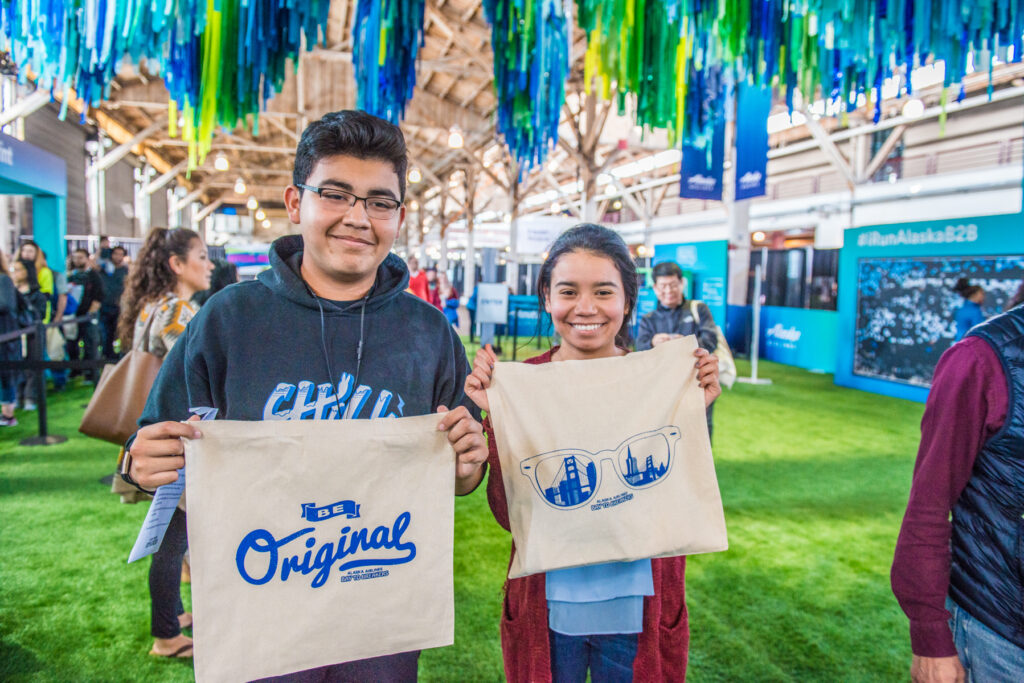
When people can participate instead of passively scrolling, the impact shows up fast, both in how they feel about the brand and what they do next. The benefits of experiential marketing campaigns show up in a few places that matter to leadership and to your frontline team:
- Stronger brand recall because people attach memory to action.
- Better content because attendees create it for you in real environments.
- Higher-quality conversations, especially when the experience is built around a clear role (demo, sample, compete, create, celebrate).
- More measurable intent when you plan data capture from the start (QR scans, sign-ups, trials, qualified leads).
How to Create an Experiential Marketing Campaign, Step by Step
1) Set a Clear Goal and Define What Success Looks Like
Clear goals keep experiential campaigns moving. “Awareness” can work, but spell out what you want people to notice, remember, or do after they interact with the experience. If you can’t measure it in a real way, it’s tough to design the right moment or prove impact later.
Pick a goal, then track it:
- Memorable brand moment (guest reactions, recall, word-of-mouth)
- Lead capture (newsletter, demo requests, app downloads)
- Product trial (samples, rides, hands-on demos)
- Sales lift (on-site sales, post-event conversions)
- Brand sentiment (survey results, social listening themes)
- Content volume (UGC posts, creator assets, video views)
A clean goal keeps your concept focused and helps you defend budget decisions later.
2) Define the Audience, and the Moment They’re In
Your target audience is not a spreadsheet, so get specific about what they walked in expecting and what would genuinely earn their attention in that setting. Think about where they are, what they’re doing, and what would make them stop.
Ask yourself:
- What are they already here for?
- What would feel like a “win” for them in 3 minutes?
- What would they proudly share, without being asked?
This is where experiential marketing campaigns separate themselves from standard event sponsorships. You’re building a choice people want to make.
3) Write a Brief That Creative and Ops Can Both Use
A great creative idea still needs to survive real-world gravity, so your brief should be clear enough that production can build it and staff can run it without guesswork. Your brief should include:
- The promise: what attendees get out of it
- The story in one sentence
- The must-hit brand moments (logo placement, product integration, key messages)
- The footprint and flow (entry, queue, peak capacity, exit)
- Data capture plan (what you’re collecting and why)
- Accessibility and safety requirements
- The “share moment” you want people to film
When the brief is this specific, you’re already halfway to creating a successful experiential marketing campaign.
4) Build the Experience Around a Simple Arc
The best activations feel effortless to participate in, even when the build is complex, so the flow needs to be clear at a glance and easy to follow. Design the experience like this:
- Hook: what pulls them in from 30 feet away
- Participation: the action (try, make, play, taste, compete)
- Reward: what they earn (content, swag, status, access, discount, surprise)
- Follow-through: where they go next (email, landing page, retailer, social)
If any step requires a staff member to over-explain, simplify it.
5) Plan the Operational Backbone Early
This is the less glamorous part, and it’s where the best experiential marketing campaigns get built. Planning is where event timelines can quietly get away from you, so it helps to know upfront how long it really takes to plan an experiential marketing event.
Lock in:
- Venue and permitting timelines
- Design & fabrication (custom builds, signage, branded environments)
- Staffing model (brand ambassadors, product specialists, event managers)
- Tech requirements (check-in, photo/video, interactive games, event apps)
- Power, internet, load-in/load-out, storage, transportation
- Run of show, call times, and contingency planning
We lean hard into this layer because the front-end prep is what makes execution feel smooth on-site. Southport also keeps the majority of capability in-house (including event staffing, fabrication, event production, marketing fulfillment, and event technology), reducing handoffs and keeping timelines tighter.
6) Promote the Experience Before, During, and After
Even the most beautiful activation struggles without a plan to get people there. When the stakes are high and the clock is tight, it helps to have a team that lives and breathes event production.
Your promotion plan should include:
- Pre-event tease (short-form video, partner posts, targeted email)
- On-site amplification (live content capture, creator moments, clear hashtags)
- Post-event conversion (recap assets, retargeting, follow-up offer)
This is how great experiential marketing campaigns keep working after teardown, by turning one live moment into weeks of content, conversation, and follow-up action. When your pre-hype, on-site capture, and post-event retargeting all point to the same story, the experience reaches far beyond the people who were physically there.
7) Measure What Matters, Then Use It to Build the Next One
Measurement starts before the first attendee arrives. Decide what you’re tracking, how you’re tracking it, and who owns the dashboard. If you want to go deeper on the reporting side, here’s a practical breakdown of how to analyze ROI of experiential marketing.
Common experiential KPIs:
- Dwell time and throughput
- QR scans and form completes
- Sampling counts or demos completed
- Social mentions, reach, and UGC quality
- Survey feedback and intent signals
- Cost per engagement (your spend divided by meaningful actions)
After the event, run a quick debrief: what caught people’s attention, where did lines slow things down, and which moment got shared the most?
What Affects the Cost of an Experiential Marketing Campaign?
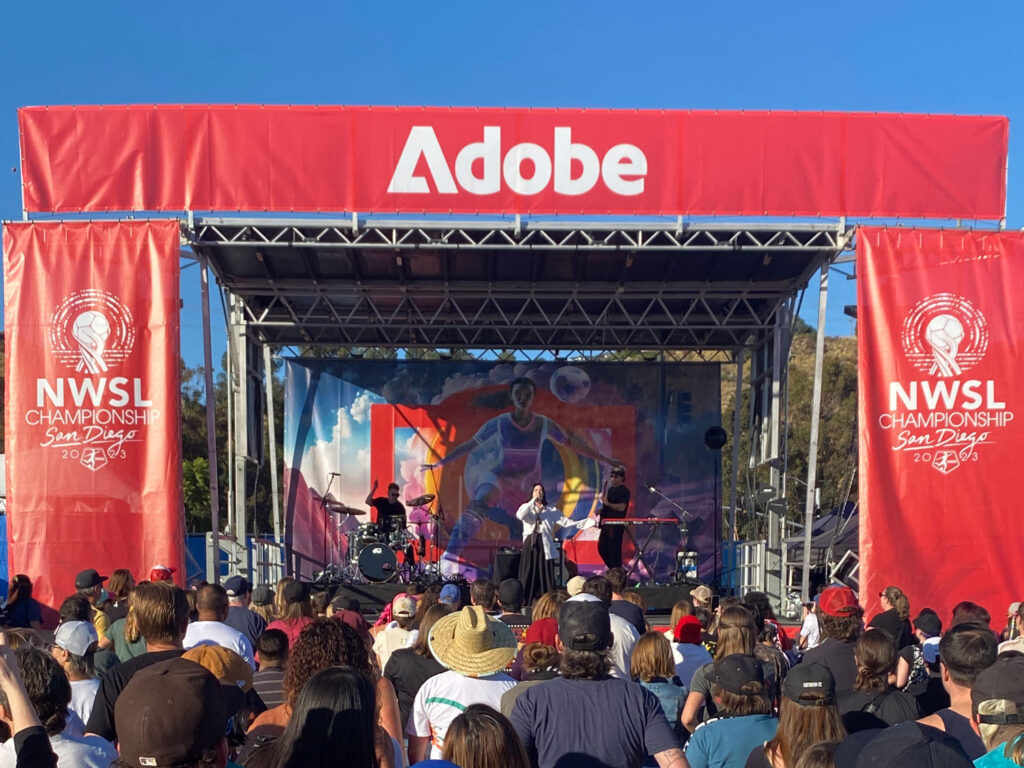
The cost of an experiential marketing campaign comes down to choices. Here are the usual cost drivers:
- Scope and footprint (one-day pop-up vs multi-market tour)
- Custom fabrication and scenic builds
- Staffing depth and skill level
- Tech layers (AR/VR, photo ops, data capture systems, apps)
- Permits, insurance, security, and compliance
- Travel, trucking, storage, and warehousing
- Giveaways and consumables (samples, print, signage)
Match your concept to your budget early, then focus the “wow” on one or two standout moments people will remember and share.
What Makes Experiential Marketing Campaigns Successful?
Across successful experiential marketing campaigns, the same patterns show up: the experience feels easy to join, clear to understand, and rewarding enough that people want to share it. Here’s what the strongest experiential campaigns tend to nail every time:
- A clear promise for the attendee
- A simple participation mechanic
- A visual anchor that pulls people in
- Staff who can guide, troubleshoot, and keep energy up
- A built-in reason to share
- A follow-up plan that turns attention into action
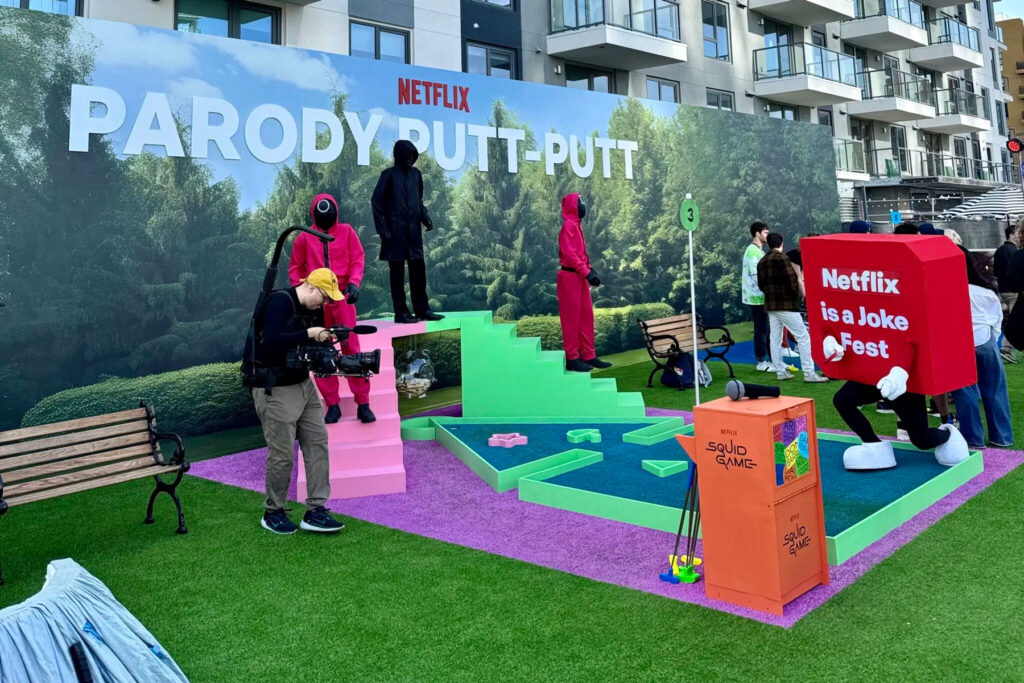
Southport’s work spans industries, including programs like BMO FanFests, Netflix Is a Joke, and TaylorMade product launch activations. The format changes, but the fundamentals stay the same: strong creative, tight ops, and a clear goal behind the fun.
How to Choose an Experiential Marketing Agency
If you’re looking for the best experiential marketing agency for integrated brand campaigns, look beyond the pitch deck. The right partner makes the difference between a smooth on-site experience and a scramble behind the scenes. A few pointed questions upfront will tell you how they actually operate once the build, staffing, and logistics get real.
Ask:
- What do they truly own in-house versus outsource?
- Who is running operations and logistics, and when do they get involved?
- Can they execute nationally, or only locally?
- How do they staff and train teams on-site?
- What does measurement look like after the event, in plain language?
Southport Marketing has been producing experiential work since 2008, with an LA-based team that executes nationwide. When brands want one crew that can concept, build, staff, and run the day without juggling ten vendors, that’s where our model shines.
Ready to Bring Your Experiential Campaign to Life?
If you’ve got a launch window, a market you want to own for a weekend, or a product that needs to be felt in person, Contact Southport Marketing. Our team can help you map the concept, the operational plan, and the rollout so it shows up strong in the real world. Get started today!


